

State of the Industry
Why node-based software is winning in the age of AI
December 3, 2025
Why node-based software is winning in the age of AI
The Rise of Node-based Thinking
Something fascinating is happening across creative and technical tools. Many tools and interfaces are starting to look the same, resembling webs of interconnected boxes. Nodes flowing into other nodes. Modular blocks passing data, visuals, or logic between them, turning complexity in something visual, modular, even almost playful.
What once belonged to niche creative coding environments has become a mainstream pattern in the age of AI. However, this isn’t just a UX trend. It’s a shift in how we think, experiment, and build in a world increasingly shaped by AI models and workflows.
If you haven’t experimented with nodes before: welcome to the era of node-based software.
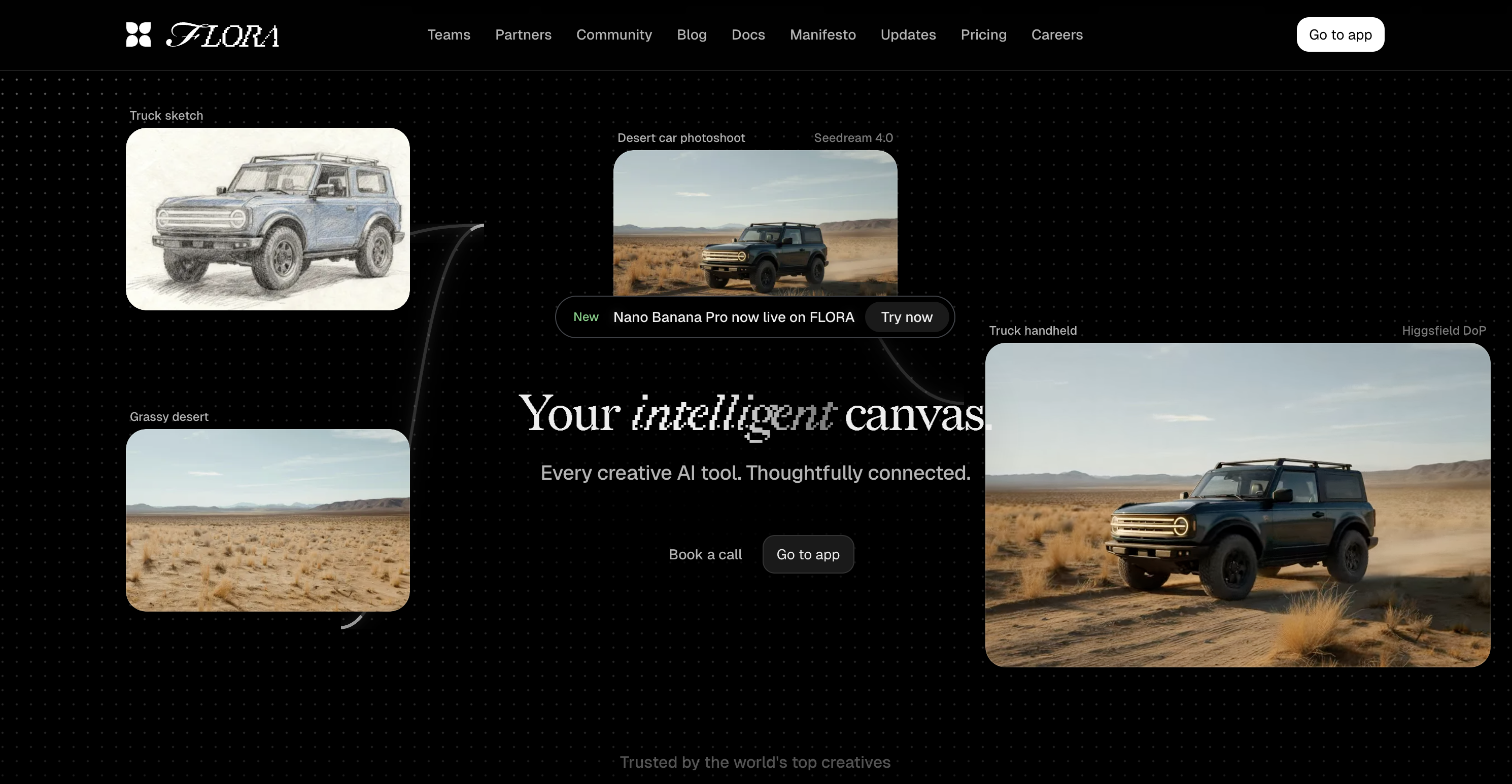
Feeling left behind? Join our workshop W1 - Generative AI for Entertainment to explore node-based thinking in AI-tools.
How we got here
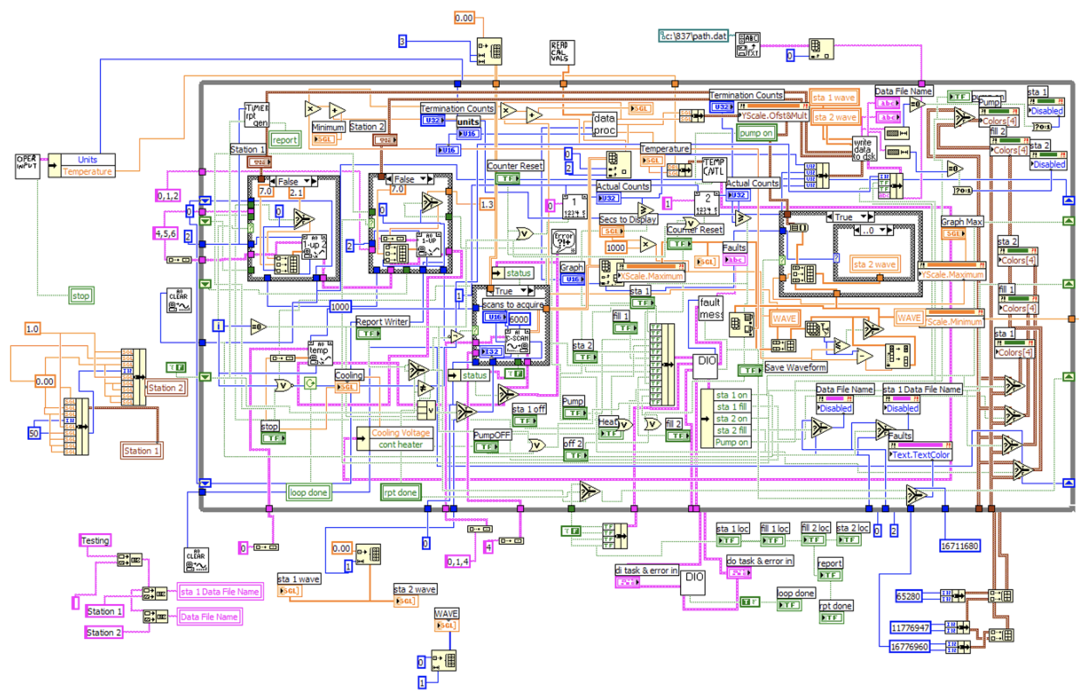
The roots of node-based workflows stem from decades of research in visual programming, dataflow computing and procedural design. LabVIEW (1986), for instance, is a graphical system design and development platform, allowing sensors and signals and instrumentation system to be wired together visually.
And even long before node-based workflows became the face of modern AI tools, they already had matured in other creative domains, quietly evolving with the rise of digital creativity. What we are seeing now is not a sudden trend, but the culmination of decades of experimentation in visual logic, procedural design, and modular thinking.
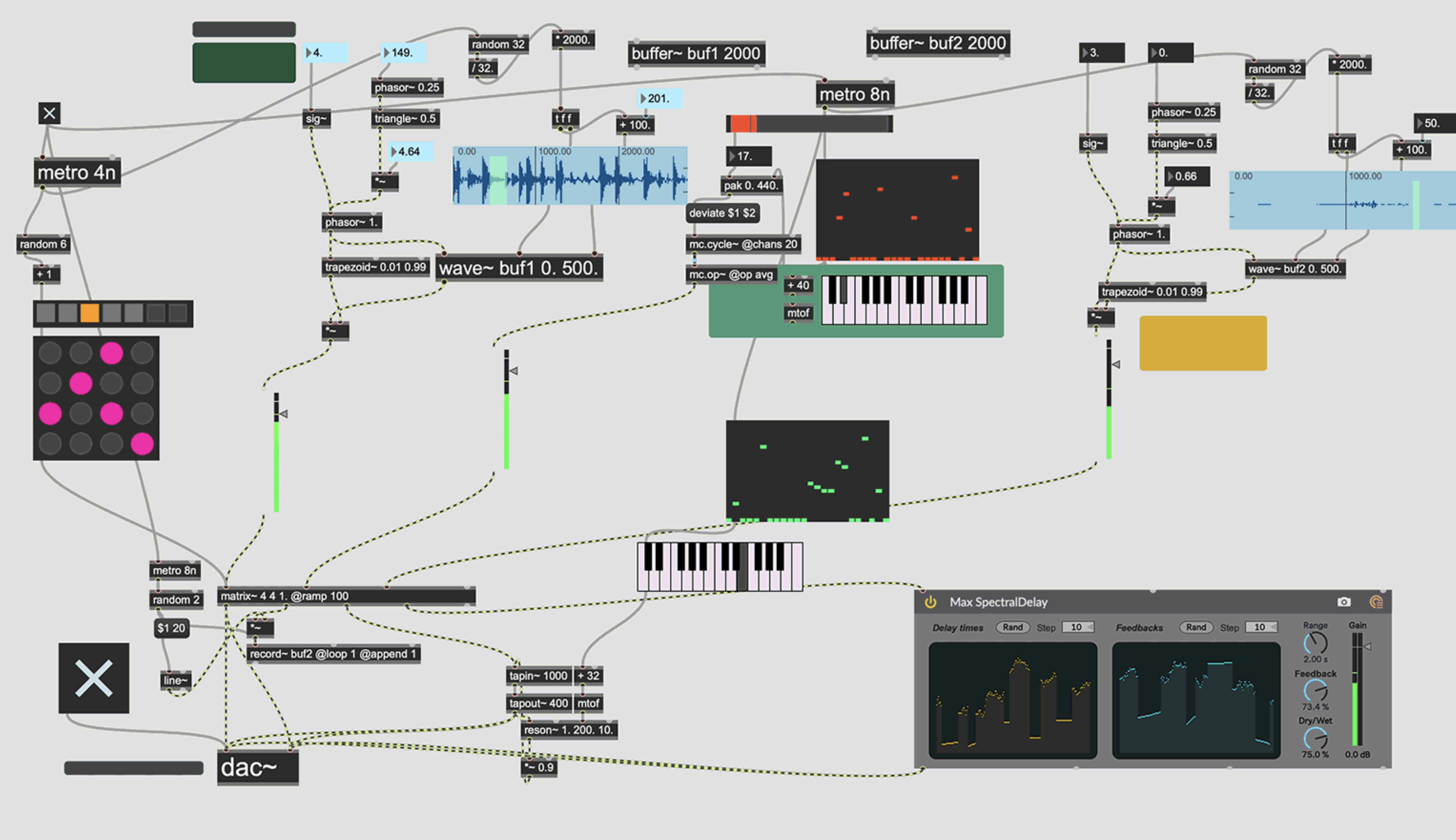
Tools like Max (formerly Max/MSP by Cycling ’74) became iconic examples of visual, node-based programming. Artists and musicians used Max to create generative audio systems by connecting “objects” via virtual patch cables. Turning data, sound, and logic into something visual and expressive.
Similarly, VVVV expanded this concept into a general-purpose digital toolkit with a special focus on real-time video synthesis and programming of large media environments with physical interfaces, real-time motion graphics, audio and video.
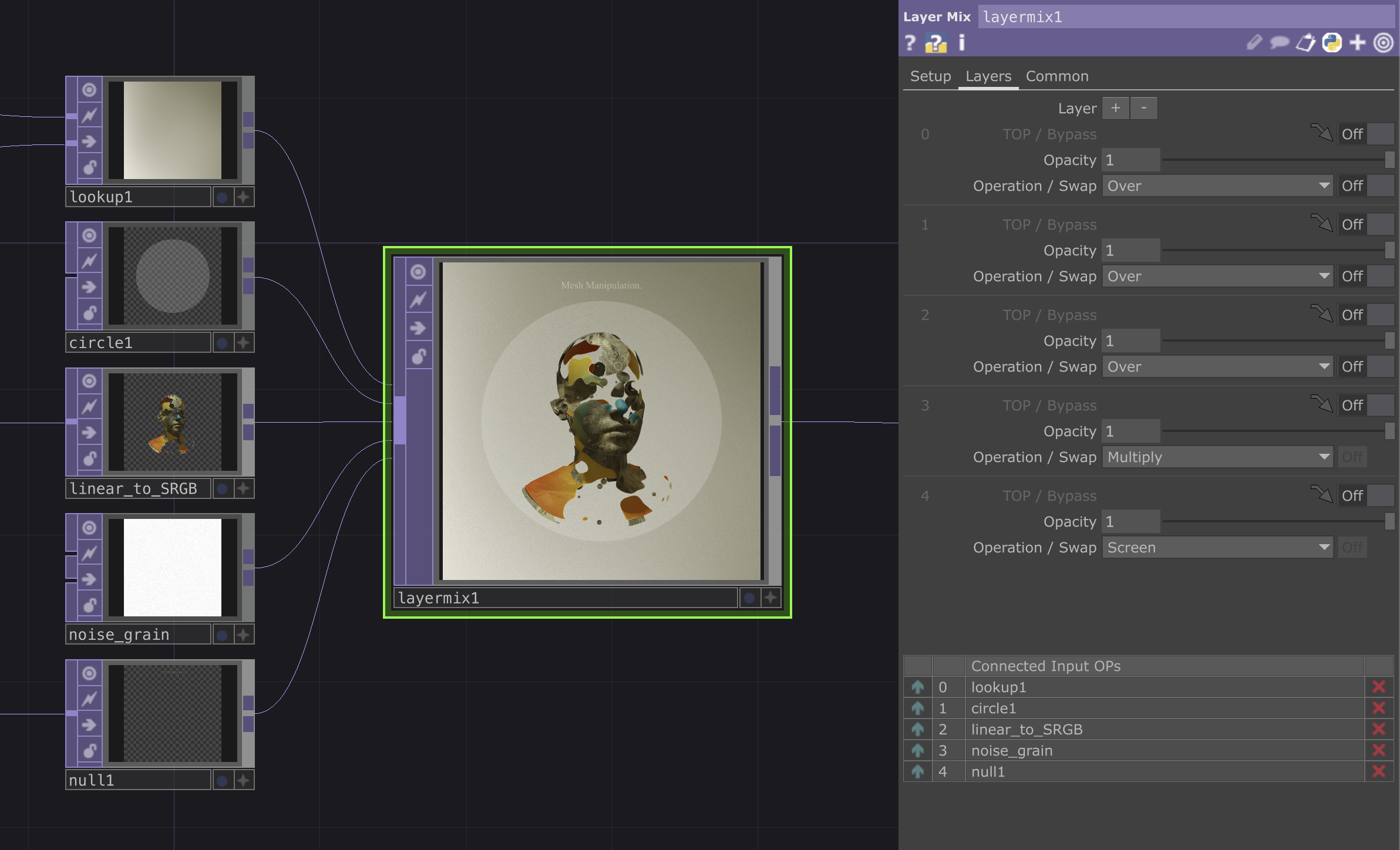
TouchDesigner, developed by Derivative, is built entirely around operators (its term for nodes) that handle everything from 3D rendering and particle simulations to camera input, audio analysis, networking, and Python scripting. Users construct systems by linking operators together, creating dynamic, procedural pipelines that can power everything from LED walls and concerts to interactive museum exhibits.
Houdini stands out as a powerhouse for procedural 3D and complex VFX work. Notch enables fast, real-time interactive 3D motion and live visual content creation. Nuke for a node-based compositing system. Opensource tool Blender has geometry nodes, a rapidly evolving system that brings Houdini-style proceduralism into an open-source environment. And the list goes on.
What all these tools share — whether used for visuals, sound, simulation, or motion — is a non-linear, generative mindset. Rather than thinking in rigid sequences or fixed outputs, users began thinking in terms of flows, conditions, and possibilities. A single graph could generate endless variations. A node could be reused, repurposed, or swapped out.
Why we’re all thinking in nodes now
As digital tools gain features and workflows become multi-modal, they are also become more complex. Creative tasks overlap with technical ones. Designers need logic. Developers need visuals.
Node-based interfaces solve this ‘gap’ by making the invisible visible. By turning abstract pipelines into tangible flows, the interface shows not only what is happening, but also how, and why.
A node graph:
shows structure at a glance
encourages experimentation
makes workflows non-destructive
creates reusable, modular “building blocks”
lowers the barrier for non-programmers
Instead of digging through menus, panels, code, or settings, users can drag nodes around, connect ideas, and see the entire process unfold visually. It’s logic as Lego.
Pair this with an infinite canvas, where ideas and explorations don’t follow a linear path but evolve like a living system. Iterations are preserved, revisited, and reshaped. It’s a space built for collaboration, where multiple users can contribute, diverge, and converge in real time.
This shift mirrors the success of tools such as Figma and Miro: tools that treat work as an ecosystem, where multiple ideas and threads can coexist in a shared, boundless workspace.
Why AI is accelerating this shift
Working with AI (text-to-image models, LLMs, or video generators, ...) naturally involves chaining steps together:
prompts flow into models
models into flow into filters
filters into flow into outputs
Tools need to show how data moves, transforms, and branches. A node graph doesn’t just represent the workflow: it is the workflow.
While some may prefer the simplicity and immediacy of a black box system like Midjourney, others may want full transparency and control, turning to open-source platforms like Comfy. A system where you can even build custom nodes and weave them directly into your workflow.
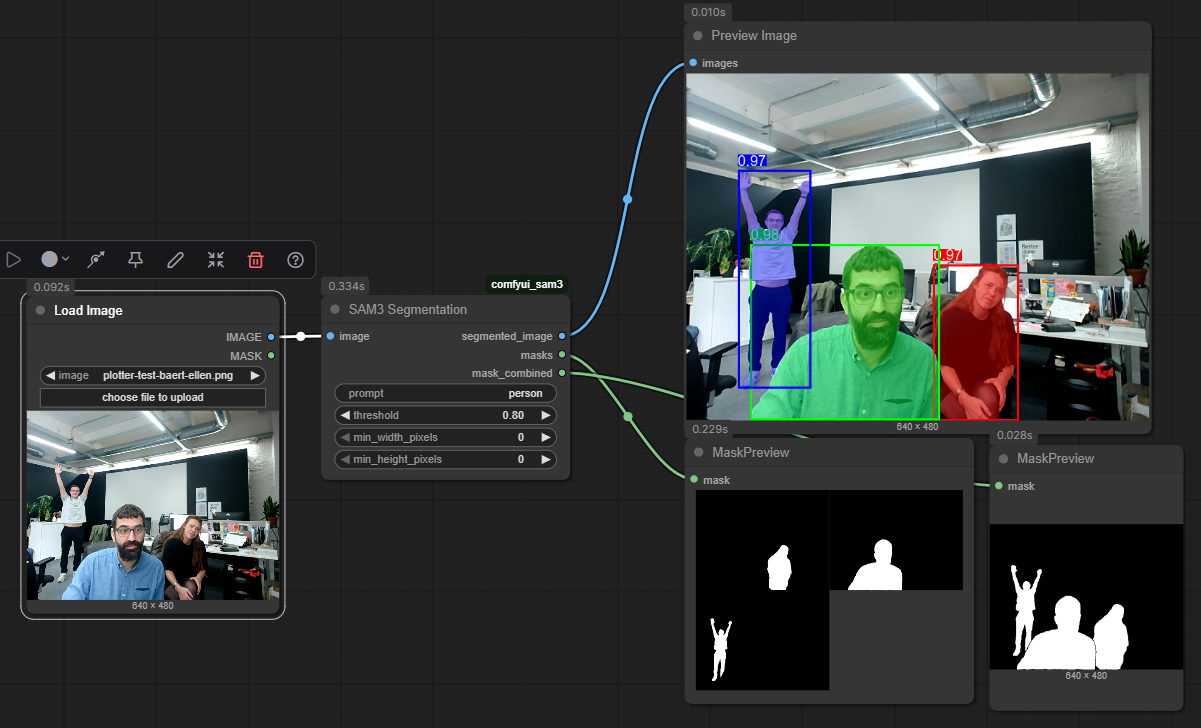
To truly embrace these new workflows, we’ll have to rethink what it means to “use software”. Historically, most creative tools borrowed the logic of physical studios: layers mimicking stacks of paper, timelines copying film editing, panels arranged like analog mixers. This made sense when digital tools were trying to simulate familiar worlds.
But AI-native tools no longer need to imitate the past. They need to help us design processes, flows, and systems. This is why so many major players in the industry are pivoting in how they approach their software.
Across the industry, everyone is racing toward more open, connected, and modular systems. The gold rush isn’t just for better AI models. It’s also for better interfaces that make those models usable, understandable, and composable.
And while challenges remain, ranging from true spaghetti-flows to harder version control, these challenges won’t stop this shift.
The Future: Modular, Visual, Composable
Whether you’re a visual designer or a creative technologist, these interfaces are likely to become integral to your creative process. Your role will shape the tools you gravitate toward.
As AI turns workflows into generative systems, the advantage shifts from knowing how to use a tool to knowing what to build with them. Creativity becomes architectural. Workflows become artifacts. Individual pieces — nodes, models, prompts, logic blocks — become interchangeable components in larger ecosystems, while we move from producing assets to designing systems that produce assets.
We’re launching a workshop on node-based thinking in AI-workflows. Read more about the workshop here: W1 - Generative AI for Entertainment or contact us: giliam.antonie.ganzevles@howest.be